The Origins of Streetwear
Streetwear did not derive inspiration from fashion houses or formal design schools. Emerging due to a need in a true sense, it has forever existed through the communities that materialized it as a way of self-expression in complete contrast to any status symbols.
Skate, Surf, and Hip-Hop Influences
The cultural scene for skating had great effects on the resulting early street fashion. This style needed function to let the skaters be able to move more freely; meanwhile, skateboarders would stroll down the street and rule the fashion competition at the same time. Skaters would customize absolutely everything, as skating was synonymous with individualism, unlike those with style that was thought to be distinctive and solid.
DIY Ethos and Independent Labels
Another defining feature of early streetwear was its independent spirit. Small brands, often started by individuals within these communities, produced limited runs of clothing. This approach prioritised authenticity over mass production and allowed designers to speak directly to their audience.
The DIY mindset also encouraged experimentation. Designs referenced local culture, slang, and artwork, making streetwear feel rooted in lived experience. This grassroots approach helped streetwear grow through word of mouth rather than traditional marketing.
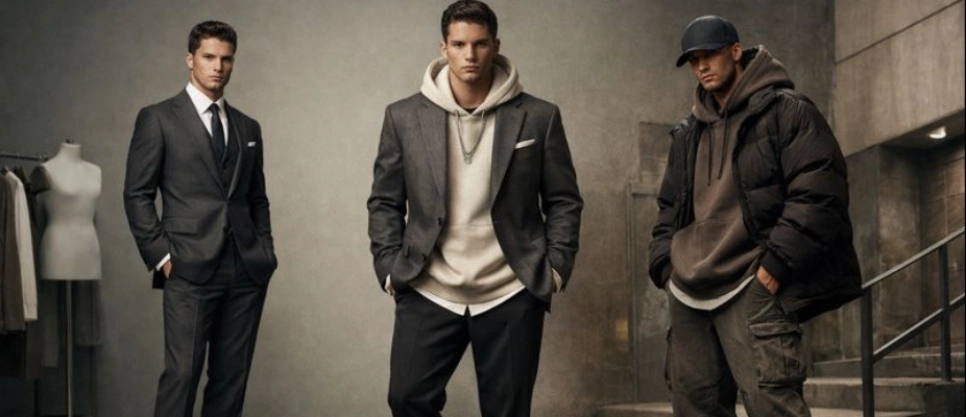
Streetwear vs High Fashion
We speak of street wear and high fashion as being disciplines that are opposed to each other but which do in fact constitute some form of relationship. It is worth observing that high fashion used to revolve around exclusivity, the art of craftsmanship, and a variation in collections offered through prescriptive channels, though street wear stood outside all this, favouring instead set styles that would be acceptable to a certain reading of fashion.
As street wear got established, the distinction between the two was somewhat blurred. Luxury brands tried out casual silhouettes whereas high-end street wear played with more luxurious materials and refined constructions. Despite convergence, they (these fashion paradigms) are given to see things in different ways-to wit-culture and audience.
Differences in Design Philosophy
High fashion typically follows a top-down model, where trends are set by designers and filtered to consumers. Streetwear operates more horizontally, responding to cultural shifts as they happen. Its designs often reflect current events, music scenes, or social conversations.
This difference affects how collections are released. Streetwear frequently uses limited drops rather than seasonal schedules, creating immediacy and anticipation. High fashion collections, while increasingly influenced by streetwear, still tend to follow established fashion calendars.
Convergence and Mutual Influence
In recent years, we have observed the very obvious mixing of luxury brands with urban labels, giving us a stark view as streetwear dismantles the principles of value and prestige in the general notion of fashion. The wearing of a pair of shoes next to a suit jacket has now become so widely accepted and vogue.
However, combining the two has made some challenges regarding whether or not the beautiful meaning of these garments gets replaced or whether they are meant to glow up for the rich and exclusive space. Some may come to the realization of the cultural vitality and adaptive nature of streetwear; for others, the same crossing should be considered a threat to the very foundations of a counter-culture that streetwear was initially meant to represent.
The Role of Streetwear in Youth Culture

Streetwear holds a unique place in youth culture because it allows individuals to express identity without rigid rules. For many young people, clothing is one of the first tools available for self-definition. Streetwear offers flexibility, comfort, and symbolism that resonate with everyday life.
Unlike formal fashion, streetwear does not require adherence to strict standards. Its openness encourages experimentation and supports diverse identities. This has made it especially relevant in a globalised world where cultural influences mix rapidly.
Identity, Belonging, and Self-Expression
The society of young people seems to be about calling for respect to the cultural identity of street culture for those who practice understanding, mutual understanding, and equality. Youngsters soon realize that an interest in the freedom of others is required in upholding their social status. Further, they realize that pieces of art depict some common factors that connect different paths to become united in mind.
Digital Media and Global Reach
The rise of social media has amplified streetwear’s influence. Platforms allow trends to spread quickly, turning local styles into global phenomena. Young people now engage with streetwear not only through clothing but also through online discussions, images, and storytelling.
This digital presence has reinforced streetwear’s role as a cultural connector. It links youth across regions, offering shared references while still accommodating regional variation. As a result, streetwear continues to evolve alongside technology and communication habits.
Streetwear as a Reflection of Social Change
The changes in streetwear corresponded with various social and economic shifts. As working environments slow down, activities for leisure compete with public sessions; comfort has become a critical element in dressing up. Provided that dress codes become less strict, the streetwear designed to accompany a practical approach so that it is inclusive enough.
The theme of representation and access was around the right target. Streetwear, implicit in the less prosperous sections of the population, disperses messages of visibility and voice. In some sense, it is thus grounded in aesthetics and norms.
While street fashion has, in some cases, been placed at a high economic value, the clothing has always been very adaptive. Essential components of the style can be purchased at a wide range of prices, providing for the opportunity for many individuals to become part of the trend. The inherent availability of products feeds into its ongoing attraction for younger audiences.
From Subculture to Global Language
Streetwear was a practical answer to everyday life that grew into a global cultural language found in the nuances of music, sport, and community than the dictates of established fashion systems. Presently, very much of high fashion, its core notions of expressing who you are, and the concept of allowing everyone to wear it are kept alive.